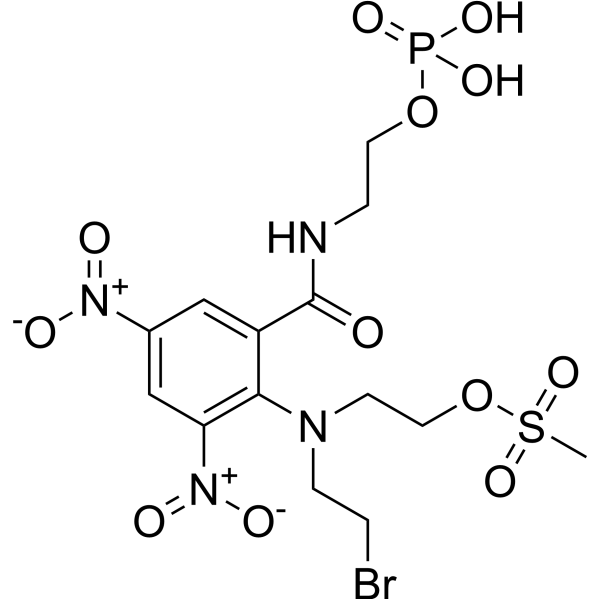
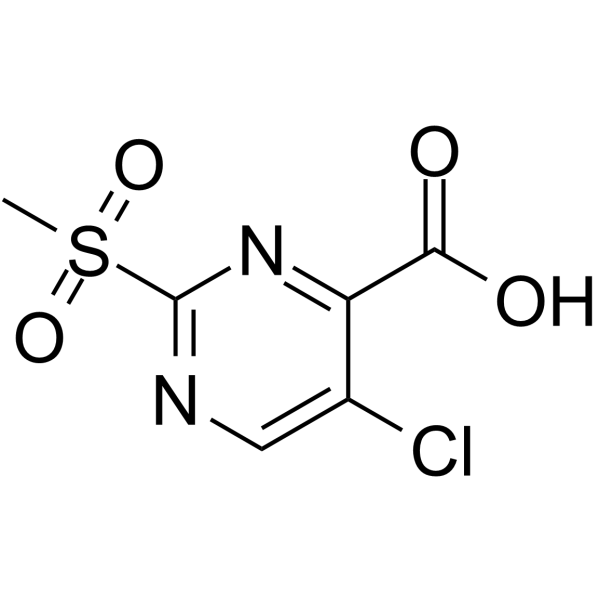
DNA Alkylator/Crosslinker
DNA alkylator/crosslinker is a molecule that alkylates DNA or can cross link with DNA. DNA alkylator/crosslinker can have mutagenic, pharmaceutical, or other effects. Alkylation is the transfer of an alkyl group from one molecule to another. The alkyl group may be transferred as an alkyl carbocation, a free radical, a carbanion or a carbene. Alkylating agents are widely used in chemistry because the alkyl group is probably the most common group encountered in organic molecules. Selective alkylation, or adding parts to the chain with the desired functional groups, is used, especially if there is no commonly available biological precursor. Alkylation with only one carbon is termed methylation. In medicine, alkylation of DNA is used in chemotherapy to damage the DNA of cancer cells. Alkylation is accomplished with the class of drugs called alkylating antineoplastic agents. Crosslinking of DNA occurs when various exogenous or endogenous agents react with two different positions in the DNA. This can either occur in the same strand (intrastrand crosslink) or in the opposite strands of the DNA (interstrand crosslink). Crosslinks also occur between DNA and protein. DNA replication is blocked by crosslinks, which causes replication arrest and cell death if the crosslink is not repaired. The RAD51 family plays a role in repair.
All Product Categories
-
DNA Alkylator/Crosslinker Inhibitors
(12)
View all products
-
DNA Alkylator/Crosslinker Activator
(1)
View all products
-
DNA Alkylator/Crosslinker Chemicals
(4)
View all products
-
DNA Alkylator/Crosslinker Inducers
(11)
View all products
-
DNA Alkylator/Crosslinker Controls
(3)
View all products
-
DNA Alkylator/Crosslinker Ligand
(1)
View all products
-
DNA Alkylator/Crosslinker Related Products (291)
Related Products (291)

-
Antibodies (3)
-
ddTTP trisodium solution (100 mM)
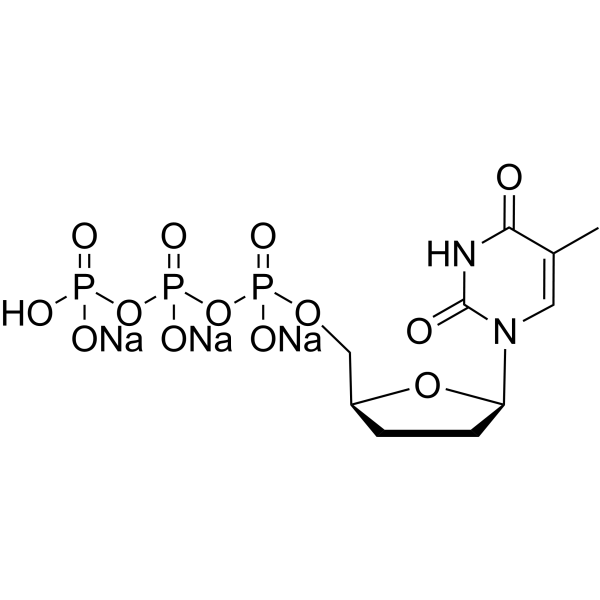 0 ImagesCat. No.: HY-137694BPurity: 99.91%ddTTP trisodium solution (100 mM) is a DNA polymerase γ inhibitor, with Ki values of 0.05 μM and 0.4 μM against bovine testicular DNA polymerase γ. ddTTP trisodium solution (100 mM) can be incorporated into DNA to cause termination of the extended DNA strand. ddTTP trisodium solution (100 mM) can be used in the research of HIV infection.
-
MGB-BP-3
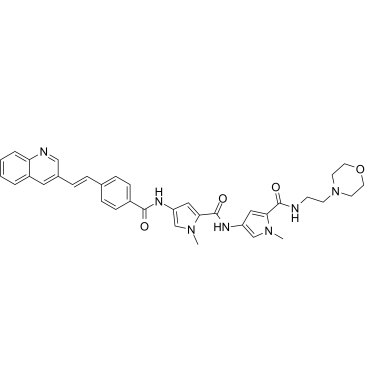 0 ImagesMGB-BP-3 is an orally aective Gram-positive bactericide and DNA-binding agent. MGB-BP-3 blocks transcription initiation by binding to AT-rich bacterial DNA regions, and interferes with the functions of DNA gyrase and topoisomerase IV, but does not stabilize cleavage complexes or induce the SOS response. MGB-BP-3 induces energy depletion in *Staphylococcus aureus* and inhibits spore formation in *Clostridioides difficile*, exhibiting intrinsic resistance resilience. MGB-BP-3 can be used in the research of *Clostridioides difficile*-associated diseases.
-
Nimustine hydrochloride
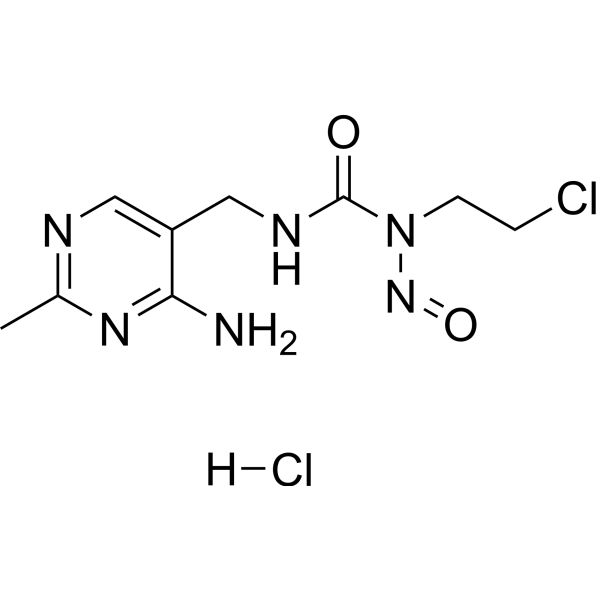 0 ImagesSynonyms: ACNUNimustine hydrochloride (ACNU) is the hydrochloride salt form of Nimustine (HY-13703). Nimustine hydrochloride is an alkylating agent, which induces DNA double-strand breaks (DSBs) and inter-strand crosslinks (ICLs), thereby activating the DNA damage response (DDR) signaling pathway. Nimustine hydrochloride activates p38 MAPK/JNK signaling pathway, and exhibits antitumor activity.
-
2-Iodoacetamide-d4
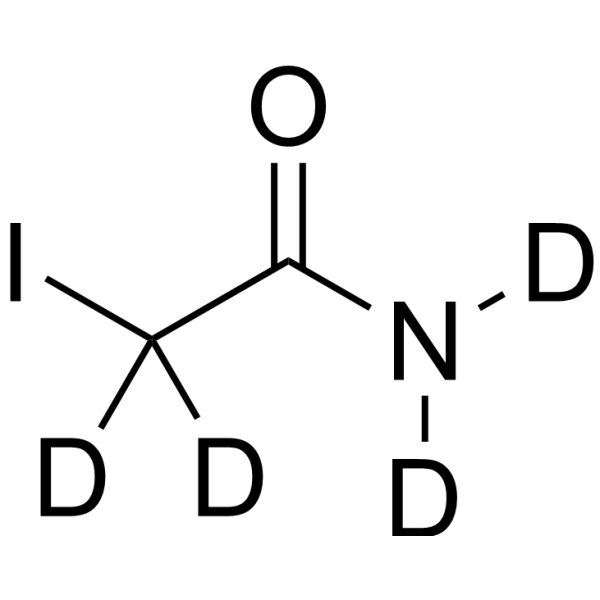 0 ImagesSynonyms: Iodoacetamide-d42-Iodoacetamide-d4 is the deuterium labeled 2-Iodoacetamide. 2-Iodoacetamide (Iodoacetamide), an alkylating agent, is a commonly used agent for alkylation of cysteine during sample preparation for proteomics.
-
Fotemustine
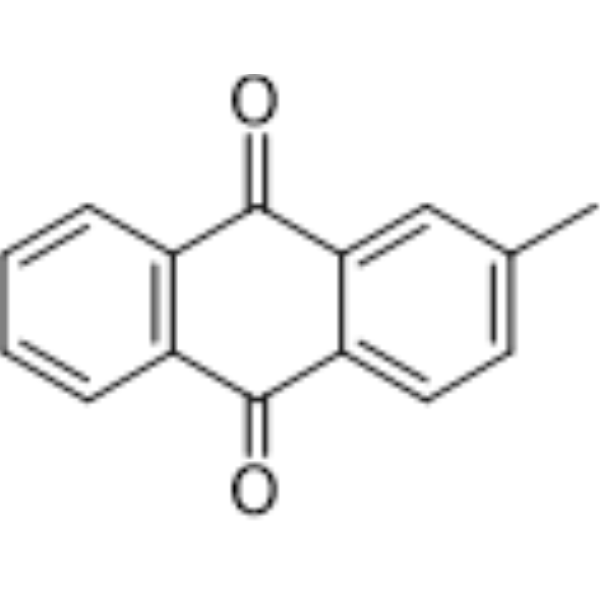
 0 ImagesCat. No.: HY-B0733CAS No.: 92118-27-9Synonyms: S10036Fotemustine is a DNA-alkylating agent, with antitumor activity.
-
MPG peptides, Pβ
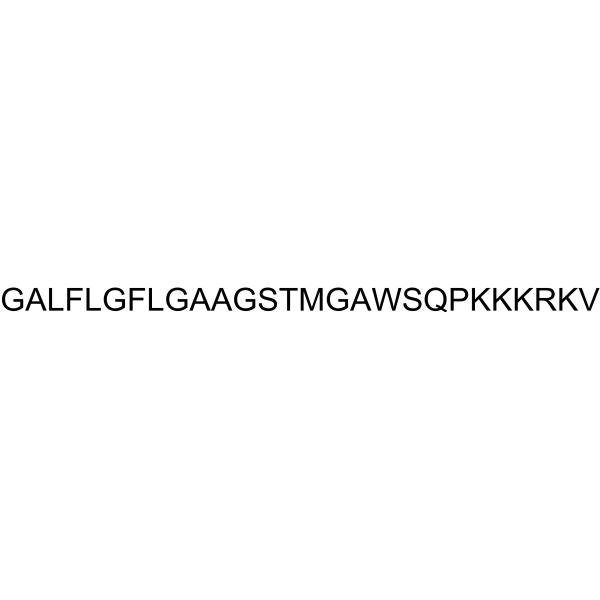 0 ImagesMPG peptides, Pβ is an amphipathic cell-penetrating peptide. MPG peptides, Pβ consists of three components: the hydrophobic fusion sequence (GALFLGFLGAAGSTMGA) of HIV glycoprotein 41, a spacer domain (WSQP), and the nuclear localization signal (KKKRKV) of the large T antigen of Simian virus 40. MPG peptides, Pβ can form stable non-covalent complexes with nucleic acids (including DNA) through electrostatic interactions and improve their intracellular delivery. MPG peptides, Pβ can be used in studies of HIV-1-related immune responses.
-
(-)-Irofulven
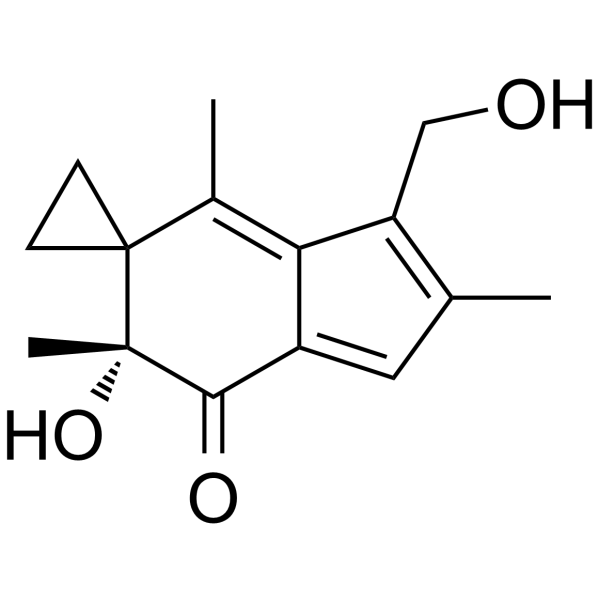 0 ImagesCat. No.: HY-14429CAS No.: 158440-71-2Synonyms: MGI 114; 6-Hydroxymethylacylfulvene; NSC 683863(-)-Irofulven (MGI 114), an Illudin S analog, is a DNA alkylating agent. (-)-Irofulven inhibits the replication of DNA, induces tumor cells apoptosis, and has potent antitumor activity.
-
Temozolomide-d3
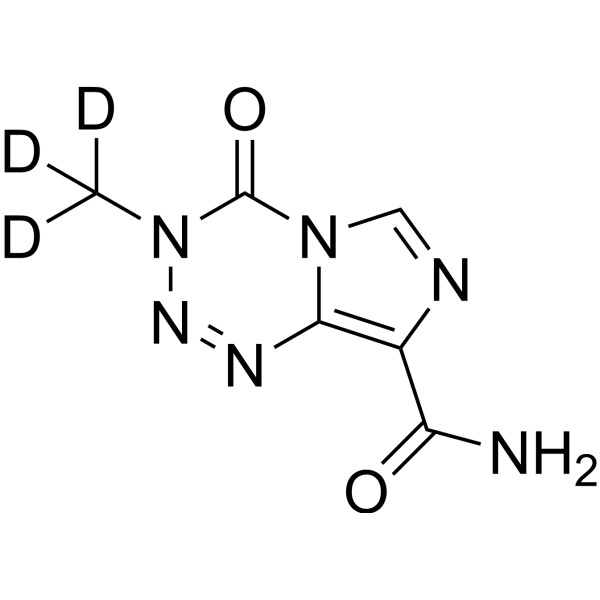 0 ImagesTemozolomide-d3 is the deuterium labeled Temozolomide. Temozolomide (NSC 362856) is an oral active DNA alkylating agent that crosses the blood-brain barrier. Temozolomide is also a proautophagic and proapoptotic agent. Temozolomide is effective against tumor cells that are characterized by low levels of O6-alkylguanine DNA alkyltransferase (OGAT) and a functional mismatch repair system. Temozolomide has antitumor and antiangiogenic effects.
-
Busulfan (Standard)
 0 ImagesBusulfan (Standard) is the analytical standard of Busulfan. This product is intended for research and analytical applications. Busulfan is a potent alkylating antineoplastic agent. Busulfan causes DNA damage by cross-linking DNAs and DNA and proteins. Busulfan inhibits thioredoxin reductase. Busulfan induces apoptosis. Busulfan is an immunosuppressive and myeloablative chemotherapeutic agent.
-
Bizelesin
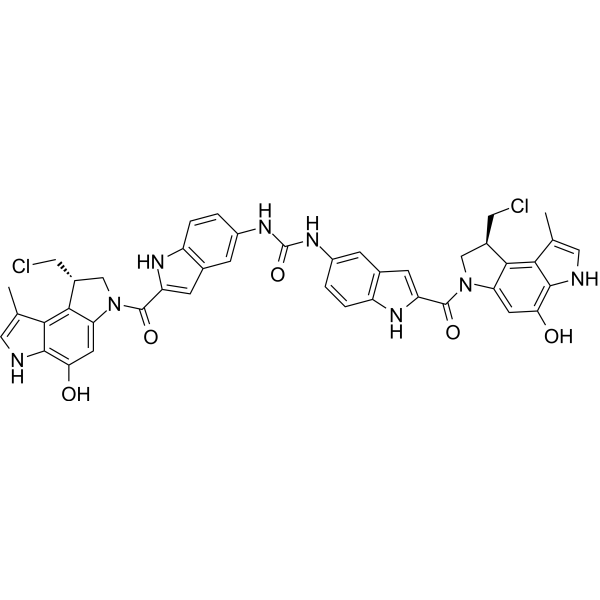 0 ImagesCat. No.: HY-111397CAS No.: 129655-21-6Synonyms: NSC 615291; U-77779Bizelesin (NSC 615291; U-77779) is an AT-specific DNA alkylating agent that can generate DNA interstrand crosslinks, effectively inhibit DNA replication, and has potential anticancer activity.
-
Duocarmycin GA
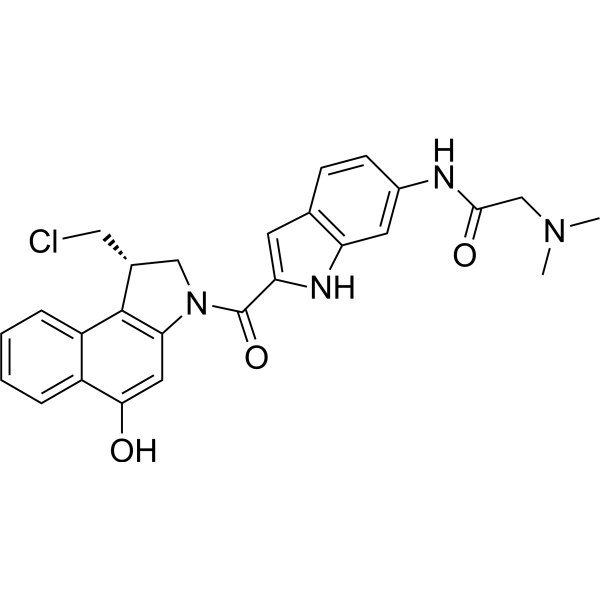 0 ImagesDuocarmycin GA is an antibody agent conjugates (ADCs) toxin. Duocarmycin is a DNA alkylating agent that binds in the minor groove. Duocarmycin GA can be used against multi-agent resistant cell lines.
-
Lomustine (Standard)
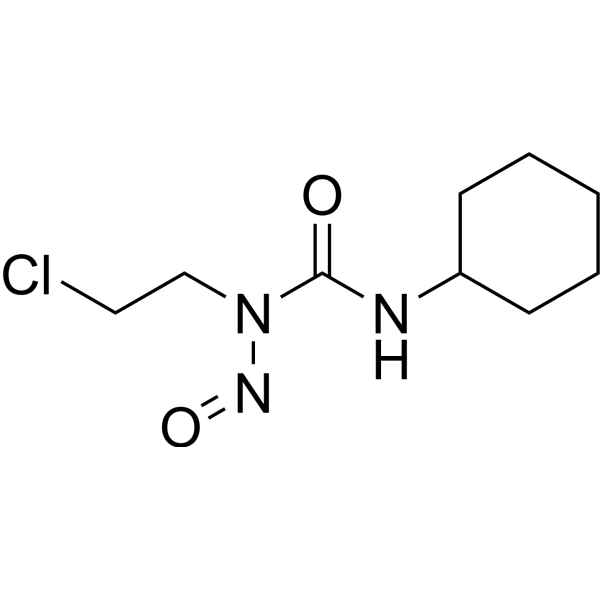 0 ImagesSynonyms: CCNU (Standard); NSC 79037 (Standard)Lomustine (Standard) is the analytical standard of Lomustine. This product is intended for research and analytical applications. Lomustine (CCNU; NSC 79037) is a DNA alkylating agent, with antitumor activity.
-
3-(Pyridin-2-yldisulfanyl)propanehydrazide
 0 ImagesCat. No.: HY-130545CAS No.: 115616-51-83-(Pyridin-2-yldisulfanyl)propanehydrazide is a crosslinking agent.
-
2-Iodoacetamide (Standard)
 0 Images2-Iodoacetamide (Standard) is the analytical standard of 2-Iodoacetamide. This product is intended for research and analytical applications. 2-Iodoacetamide (Iodoacetamide), an alkylating agent, is a commonly used agent for alkylation of cysteine during sample preparation for proteomics.
-
Imifoplatin
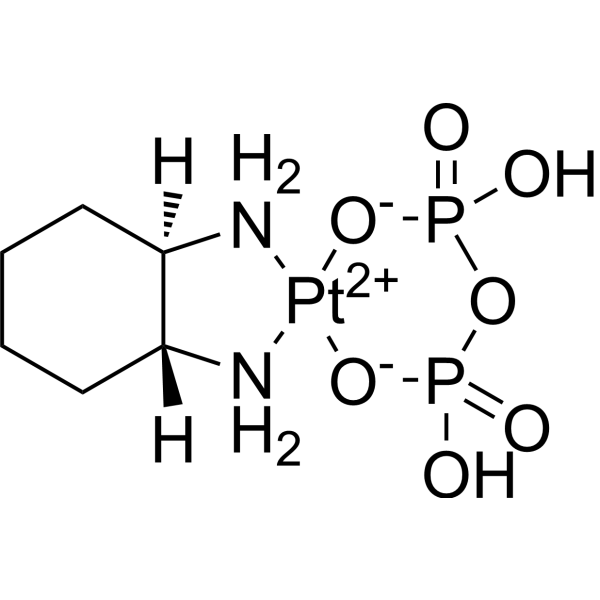 0 ImagesCat. No.: HY-109146CAS No.: 1339960-28-9Synonyms: PT-112Imifoplatin (PT-112) is a platinum-based active molecule and a member of the phosphaplatins family. Imifoplatin can induce Apoptosis and exhibits antitumor activity.